Software studio · Milton, Cambridge
Built to tolerance
Sedge designs, builds and releases mobile apps and websites. Every state is specified, every release is checked and every handover is documented.
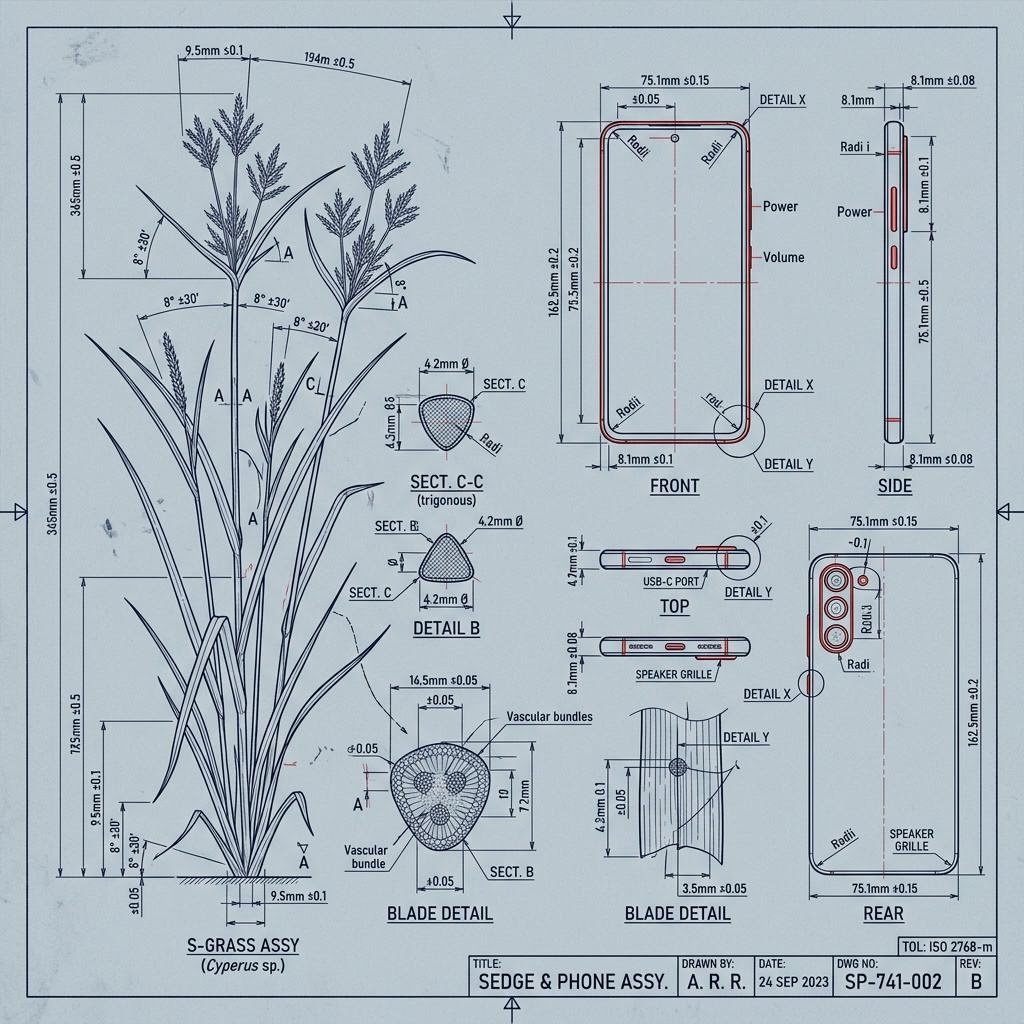
What we do, plainly
We remove ambiguity before it gets expensive
Most software faults come from small gaps rather than hard technology: a disabled button nobody designed, an error message nobody wrote, a time-zone assumption that holds until the clocks change. We find those gaps on paper, while fixing them takes minutes rather than a release.
So our documents read like engineering drawings. Each screen lists its states. Each feature has acceptance criteria. Each release has a written test record. That paperwork is the shortest route to a product that behaves the way everyone expected.
Service schedule
What each service covers, and what you receive
| Service | What we do | You receive |
|---|---|---|
| Mobile applications | iOS and Android apps, usually from one shared codebase, tested on real devices with large text, screen readers and poor signal. | Source in your repository, TestFlight and Play testing builds, a device test record |
| Web development | Websites, portals and web apps with page-weight and loading targets agreed at the start and checked before launch. | Accessible front end, editing guide, hosting note, redirect map |
| Interface design | Flows, wireframes and visual design, with every state listed: default, loading, empty, error, offline and permission denied. | State inventory, prototype, component library with notes |
| Release & publishing | Developer accounts in your name, signing, listings, privacy declarations, reviewer replies and a gradual rollout. | Release checklist, listing copy, rollback plan |
| Aftercare & support | Dependency updates, preparation for each year’s operating-system releases, error monitoring and fault handling during working hours. | Written scope, monthly maintenance log |
Interactive · state inventory
One screen, six states
A design usually shows the happy path. Users see the rest. Choose a screen and a state to see the kind of detail we write down before building. Each state needs its own wording, layout and next step.
Interactive · release planner
Work backwards from your launch date
Enter the date you want people to have the product. The planner counts back through the checkpoints we would usually schedule. Store review times vary and can’t be guaranteed, so we build in a buffer. Nothing is sent or stored.
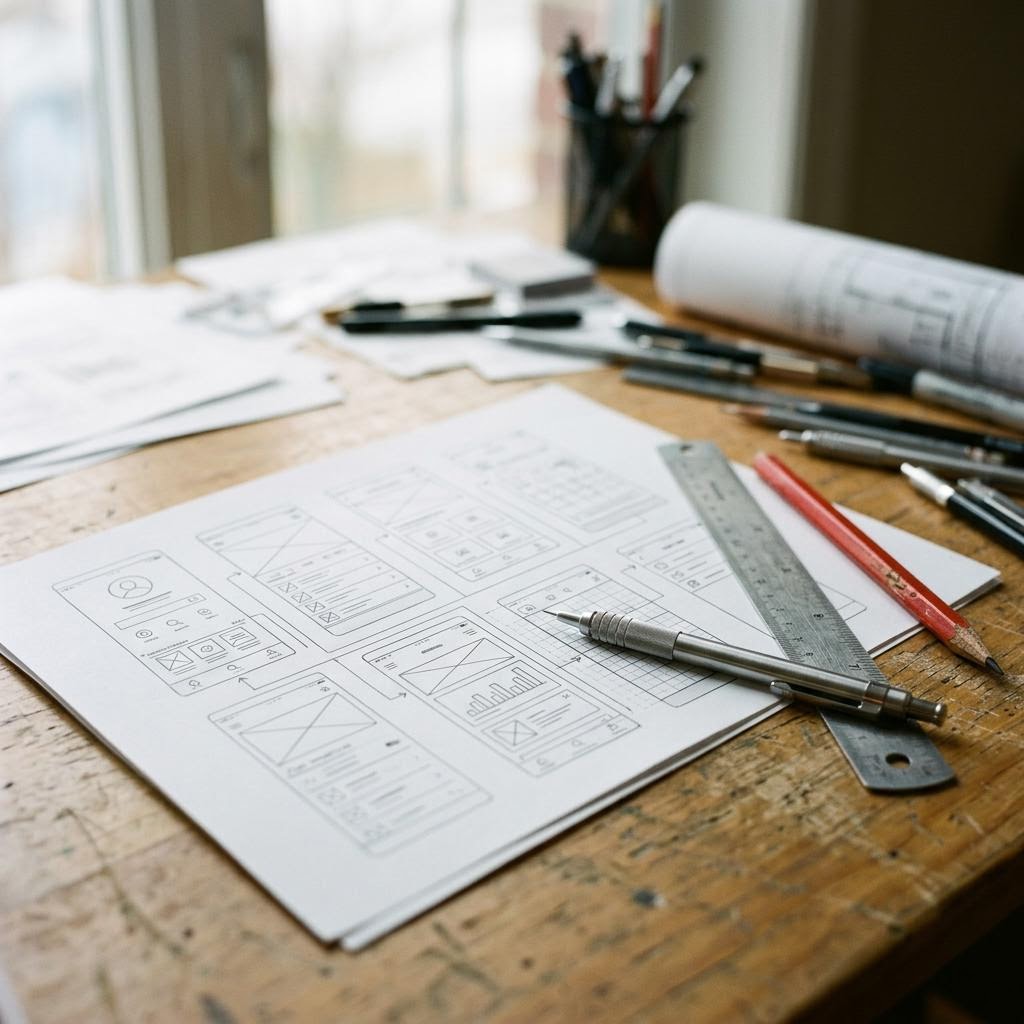
Working approach
How a fortnight runs
- Start
- We agree the increment together: which flows, which states and which acceptance criteria. Anything unclear is written down as a question rather than left as an assumption.
- Middle
- A short check-in on what is harder than expected. If scope has to move, we tell you then, in writing, and not at the end.
- End
- A working build, a change log and a test record listing what was checked, what failed and how it was fixed.
Fewer meetings and clearer documents. Those records become your handover, so the next person to work on the product starts from facts.
How the practice worksWhere to start
Where is your product right now?
Start with a scoping sprint: users, flows and a specification you can price against. See interface design.
We review the designs for missing states and platform rules, then build in fortnightly increments. See mobile and web.
A pre-release audit and store preparation will get you over the line. See release & publishing.
A health check, then a maintenance agreement sized to how often the product changes. See aftercare.
From our notes
References we use on every project
- WCAG 2.2
The accessibility standard behind our design reviews. We aim for level AA and record any gaps honestly.
- Android design guidance
How Android users expect navigation, back behaviour and system settings to work.
- Apple Human Interface Guidelines
The iPhone equivalent. Worth reading before you approve a design that ignores them.
- OWASP Top Ten
A shared vocabulary for common web security risks. We use it as a reference, not as a certificate.
Aftercare, stated precisely
Included when agreed
- Library and security updates
- Preparation for new iOS and Android versions
- Error monitoring reviewed on working days
- Fault investigation with written findings
Not assumed
- Out-of-hours response, unless agreed separately
- New features outside the agreed scope
- Fixes to third-party services we don’t control
Reporting a fault
Use the aftercare page form or email qa@sedge.trade. Include the steps to reproduce it, what you expected and what actually happened. We work Monday to Friday, 09:00–18:00 UK time.
Questions, answered to specification
- Will you give a fixed launch date at the first call?
- No. A date before the specification exists is a guess. After the scoping sprint, we give a costed plan with ranges and the assumptions behind them.
- Who owns the code, designs and accounts?
- You do. We work in your repositories and developer accounts as invited team members.
- Can you test an app another team built?
- Yes. A pre-release audit covers device testing, accessibility, privacy declarations and store readiness, with a written report.
- What does the scoping sprint produce?
- User flows, a state inventory for each screen, acceptance criteria for each feature, a list of risks and open questions, and a costed plan. It is yours to keep, even if you build elsewhere.
- How do you handle accessibility?
- It is written into the specification, not added at the end. We test with keyboard, screen readers, zoom and large text, aim for WCAG 2.2 AA, and list any known gaps in the release record.
- Do you publish client work?
- Not without consent, which is why this site has no logos or testimonials. We can discuss relevant work privately where clients have agreed.
- Where are you based?
- 270 The Rowans, Milton, Cambridge, England, CB24 6ZL. Meetings are by appointment, in person or by video.